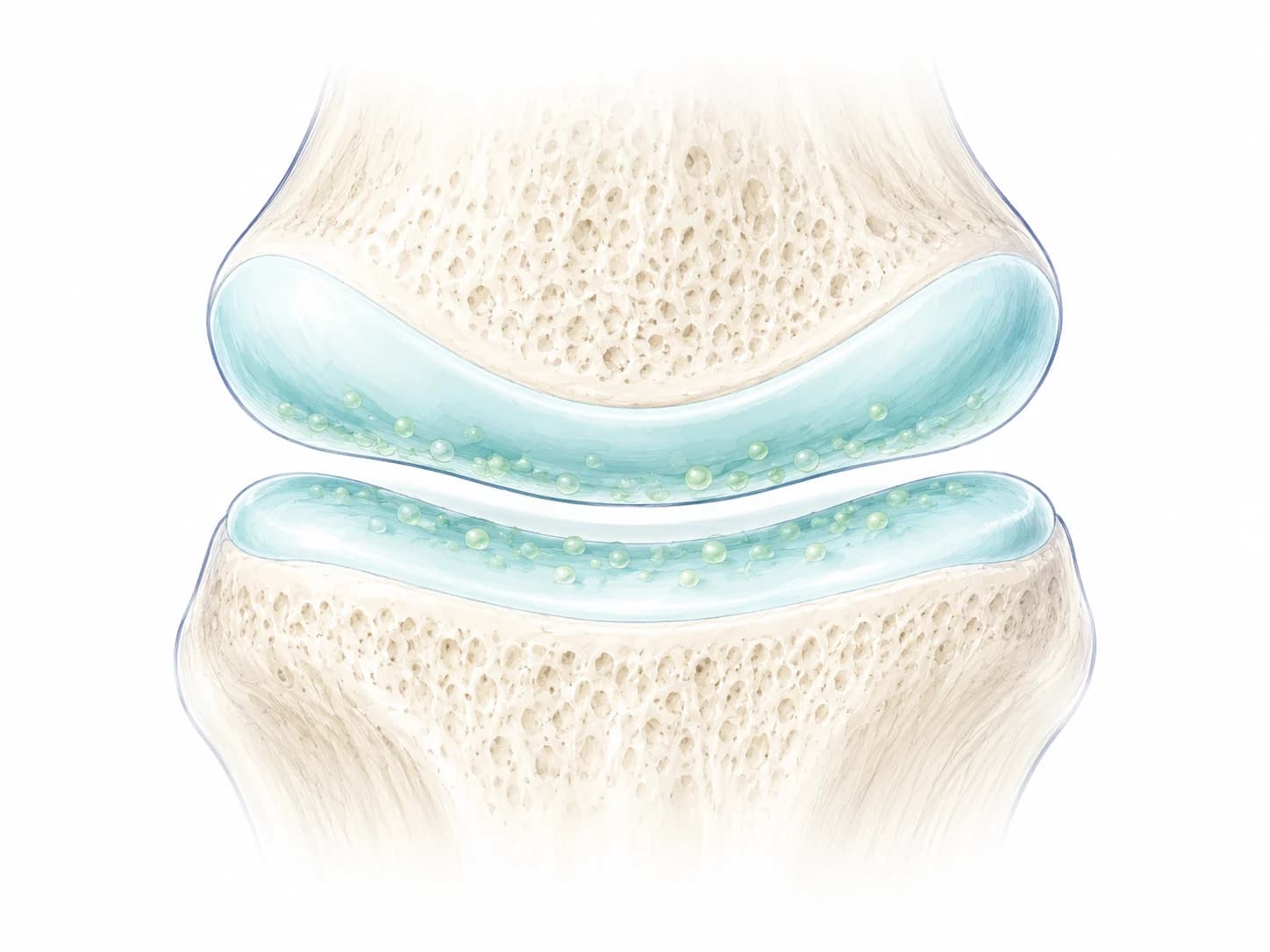
Glucosamine
N-acetylglucosamine (NAG)
An amino sugar associated with the molecules that form cartilage and joint fluid. In TriCombo it is supplied as N-acetylglucosamine (NAG) and placed in the joint by injection rather than taken as a tablet.1
For patients and carers
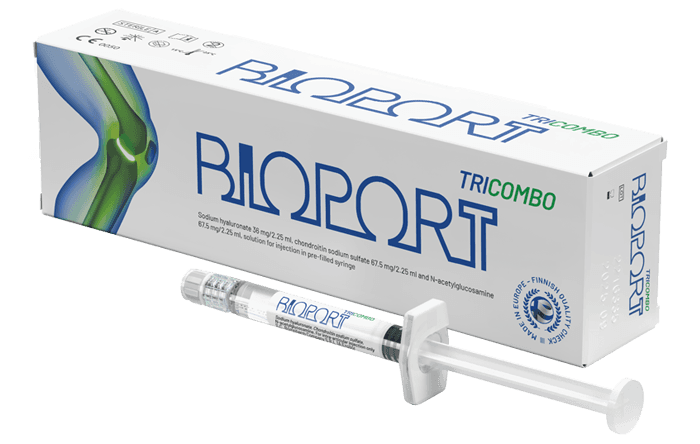
Bioport TriCombo is a glucosamine, chondroitin and hyaluronic acid injection given directly into the knee joint. It is intended for the symptomatic treatment of knee osteoarthritis, with all three ingredients supplied in one pre-filled syringe for a single injection.

Healthcare professional? Product information, evidence, resources and UK supply are in the professional section.
Enter the professional sectionIn short
Who it may be for

The manufacturer describes TriCombo for the symptomatic treatment of mild to severe knee osteoarthritis, as a supplement to, or replacement for, the fluid inside the knee joint.1
That indication describes who the product was designed for. Whether it is an option for your knee is a decision for the clinician who examines you, takes your history and looks at any scans.
Everyday life
The goals people bring to a consultation are usually ordinary ones: a longer walk, stairs without planning, a hobby they had put down. Agreeing those goals before any treatment gives you and your clinician a way to judge progress afterwards.



The three ingredients
The ingredient names may be familiar from supplements. In TriCombo they are placed inside the knee by injection, in one syringe.1
N-acetylglucosamine (NAG)
An amino sugar associated with the molecules that form cartilage and joint fluid. In TriCombo it is supplied as N-acetylglucosamine (NAG) and placed in the joint by injection rather than taken as a tablet.1
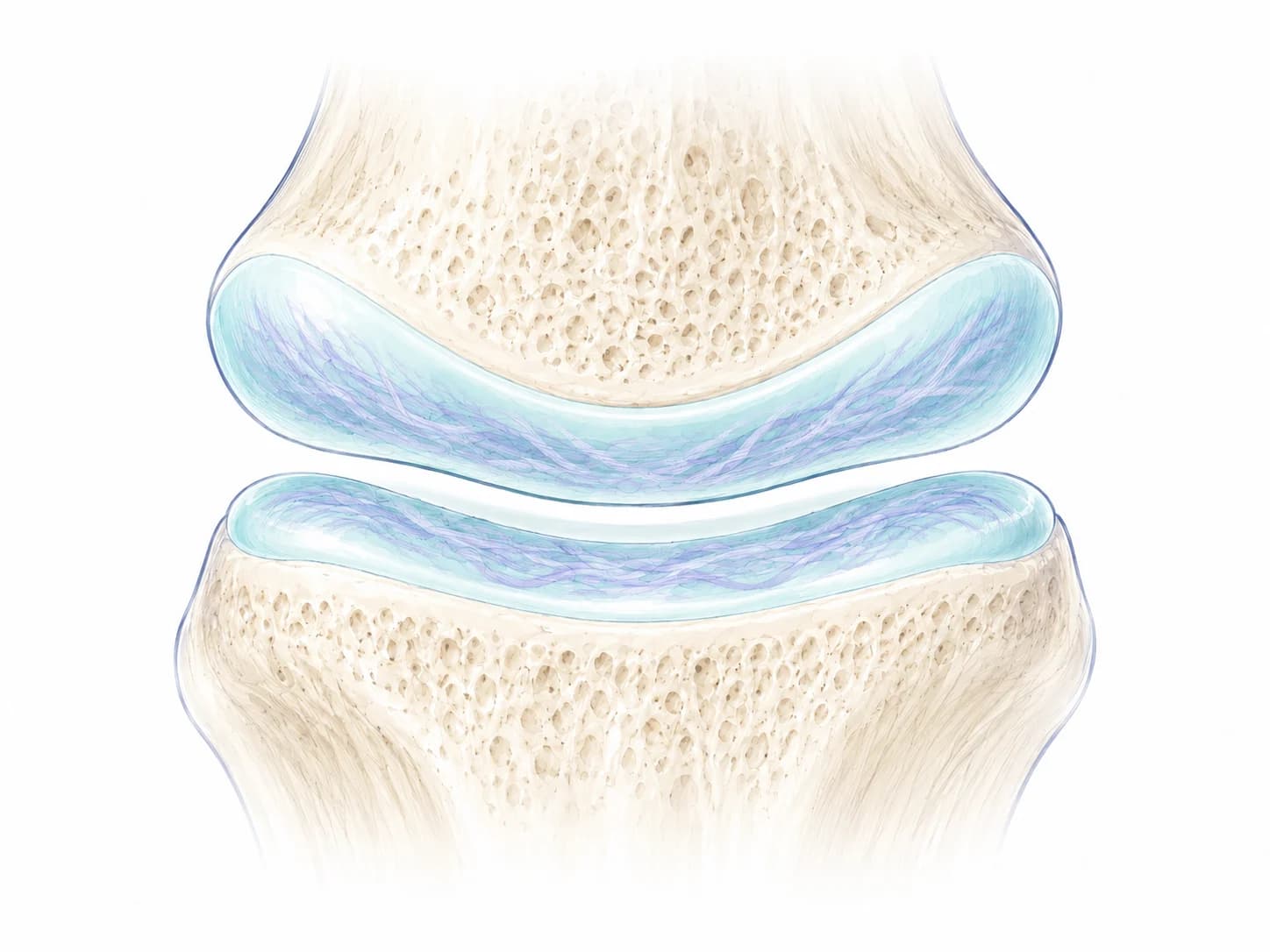
Chondroitin sodium sulfate
A glycosaminoglycan (GAG) found in cartilage. In TriCombo it is included alongside hyaluronate, and the manufacturer describes a physical association between the two polymers as a central part of the formulation.1
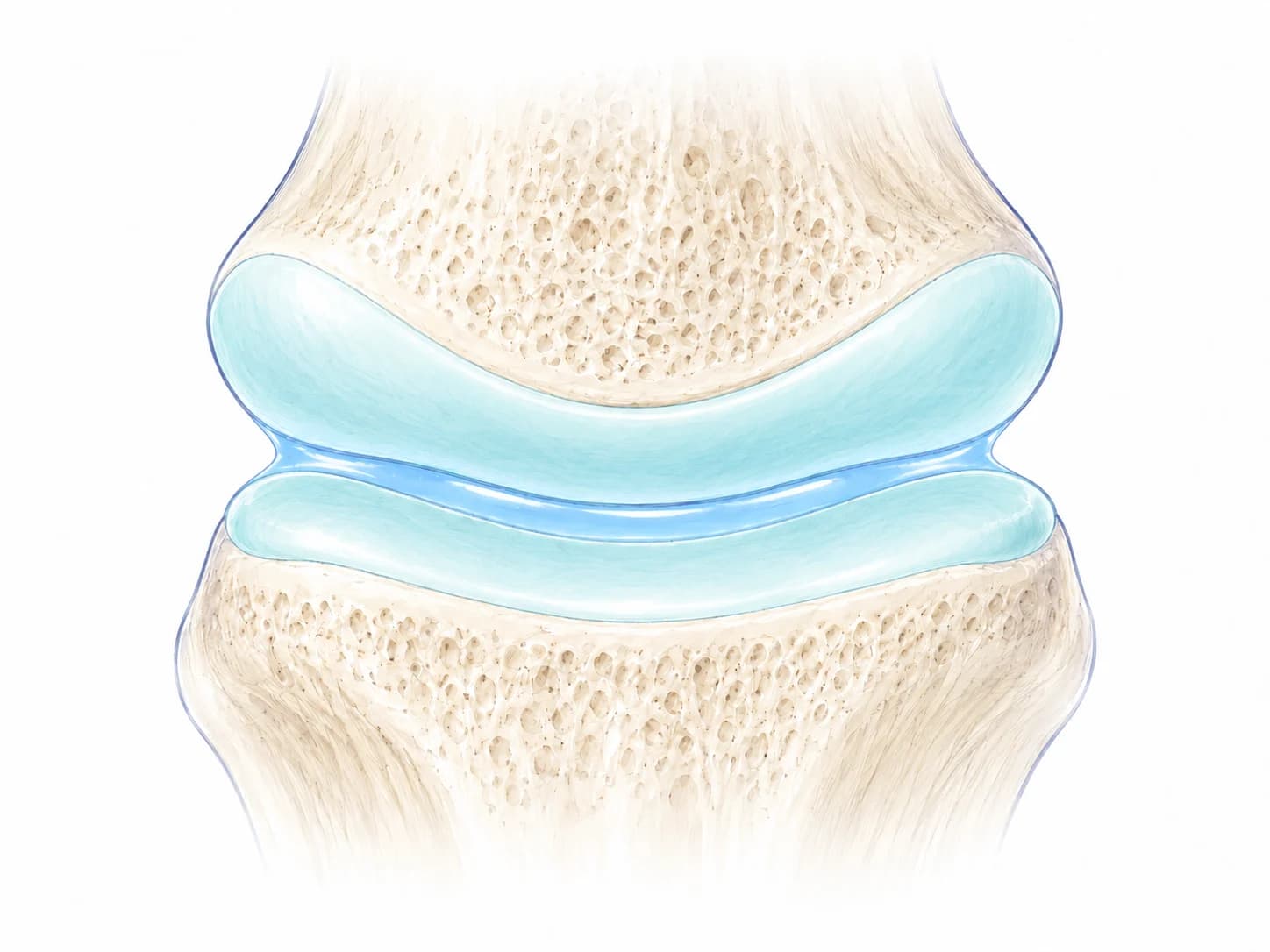
Sodium hyaluronate, 3 MDa
The lubricating component, familiar from other viscosupplement injections. It gives joint fluid its viscous and elastic behaviour.1
What happens
Step 01
A clinician assesses your knee, your history and any scans, and discusses whether TriCombo is worth considering for you.
Step 02
You and your clinician decide together whether to go ahead. Clinics set their own fees; the fee is confirmed in writing before treatment.
Step 03
TriCombo is given as a single injection into the knee joint from a pre-filled syringe, using the technique and any image guidance your clinician chooses.
Step 04
Your clinician gives you aftercare advice and arranges a review. The manufacturer describes a six-month treatment interval; any repeat is a decision made at review.
What the research found
A 2025 study of 52 people with knee osteoarthritis measured the properties of the fluid inside the knee six weeks after an injection of Kombihylan, the combination the manufacturer names as TriCombo’s active principles. Joint fluid in the group who also had physiotherapy was more viscous and more consistent, which is the lubricating behaviour the product is designed to support. Ask a clinic what the evidence means for your own knee.2,1
Any joint injection can cause temporary discomfort or swelling. The manufacturer states that the absence of chemical or irradiation cross-linking is intended to reduce the chance of reactions after injection, including pain at the injection site, local skin reactions and joint swelling. A knee that becomes hot, very swollen or very painful after an injection, particularly with fever, needs urgent medical assessment. Contraindications and warnings are in the instructions for use, which your clinician follows.1,3
Your clinician decides
This website provides information, not clinical advice. Only a clinician who has examined your knee can say whether TriCombo is an option for you.